
Cart
You have no items in your shopping cart
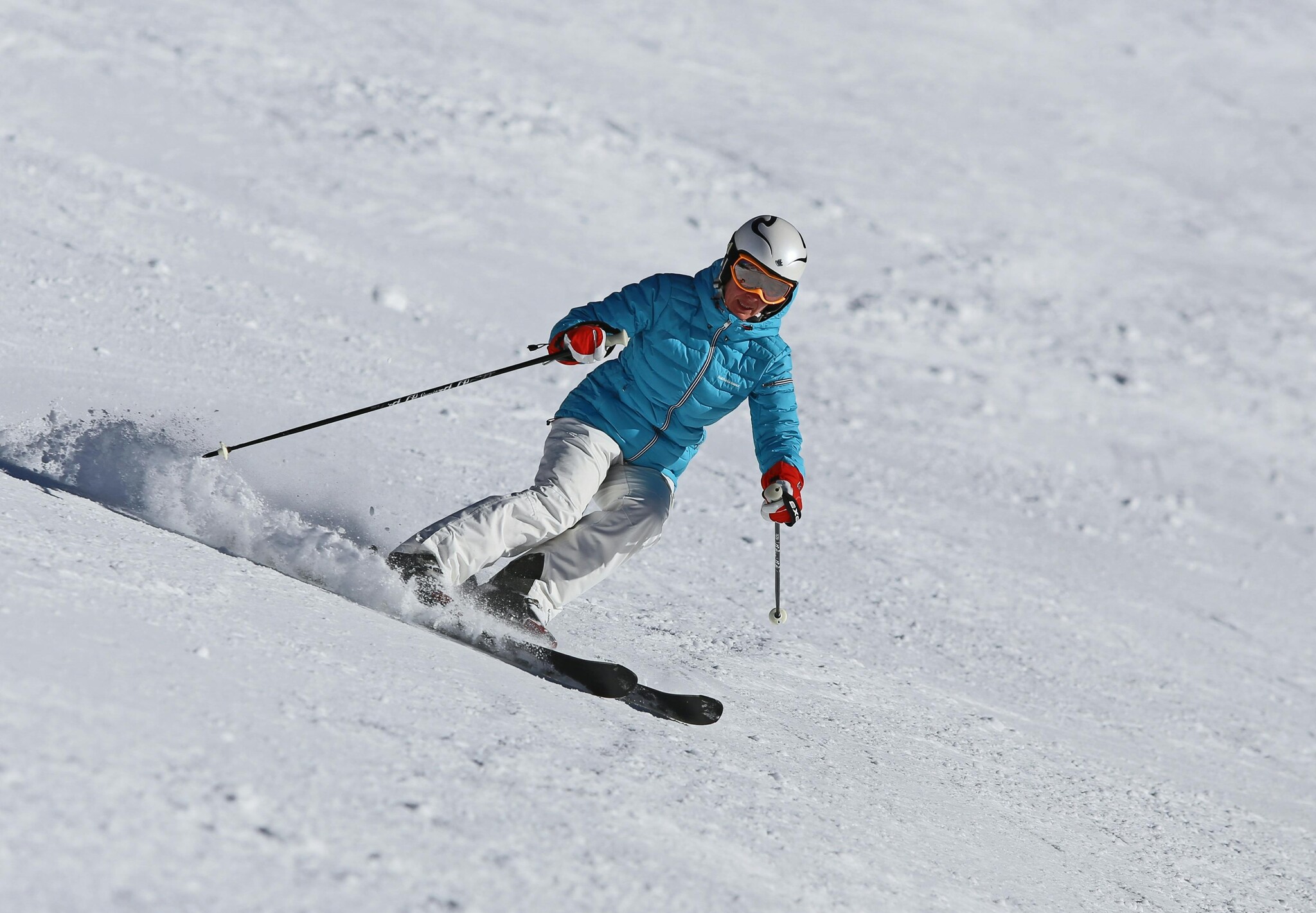
Ski racing equipment evolves as athletes progress in skill, strength, and competitive focus. Younger racers, typically ages 6–10, start with junior race skis and soft-flexing boots that support confidence and proper movement. As racers move into the 10–16 range, equipment becomes more specialized, with discipline-specific skis, stiffer race construction, and custom boot fitting playing a critical role in development. Advanced racers, generally 16+ and FIS-level, require fully FIS-approved equipment, professional customization, and dedicated quivers built around each discipline.
✓ Beginner Level (Ages 6-10) - Entry-level race skis, flexible boots, essential safety gear
✓ Intermediate Level (Ages 10-16) - Performance construction, custom boot fitting, discipline-specific equipment
✓ Advanced Level (16+) - FIS-approved skis, professional customization, full race quivers
✓ Sizing guidelines - Choosing the right ski length and boot size
✓ Budget strategies - Where to invest at each level
Walking into a ski shop to buy race equipment can feel overwhelming. The most important question: "What is appropriate for my racer's current skill level?"
Equipment needs evolve dramatically from first-year participant to elite competitor. Using gear that's too advanced can hinder development just as much as staying on equipment that's been outgrown.

Focus: Building confidence, learning fundamentals, developing a love for racing.
Race Skis: Junior SL (slalom) race skis designed specifically for young racers. These skis feature race construction scaled for juniors, with softer flex patterns that allow easier turn initiation, better edge engagement, and more forgiving performance while learning proper technique.
At this stage, the recommendation is a junior race ski, not recreational skis and not full FIS-level race skis.
Ski Length: For junior SL race skis, length should typically fall between mouth height to just above the eyebrows, providing stability while still allowing quick turn initiation and confidence in gates.
Race Boots: Junior race boots with a flex index of 50–65, focused on proper fit and comfort. Boots that are too stiff restrict movement and slow skill development. Proper sizing is critical, especially as young racers’ feet change quickly.
Working with an experienced boot fitter ensures correct shell sizing and appropriate flex for growth and progression.
Bindings: Standard junior race bindings with low DIN settings, compatible with the specific ski brand and plate system being used. Bindings must be properly matched to the ski and mounted by certified technicians based on the child’s height, weight, boot sole length, age, and skier type. Brand compatibility is essential, as race skis and plates are designed to work with specific binding systems.
Safety Equipment:
Kids outgrow equipment rapidly. Smart strategies:
Estimated Annual Cost: $600-1,200
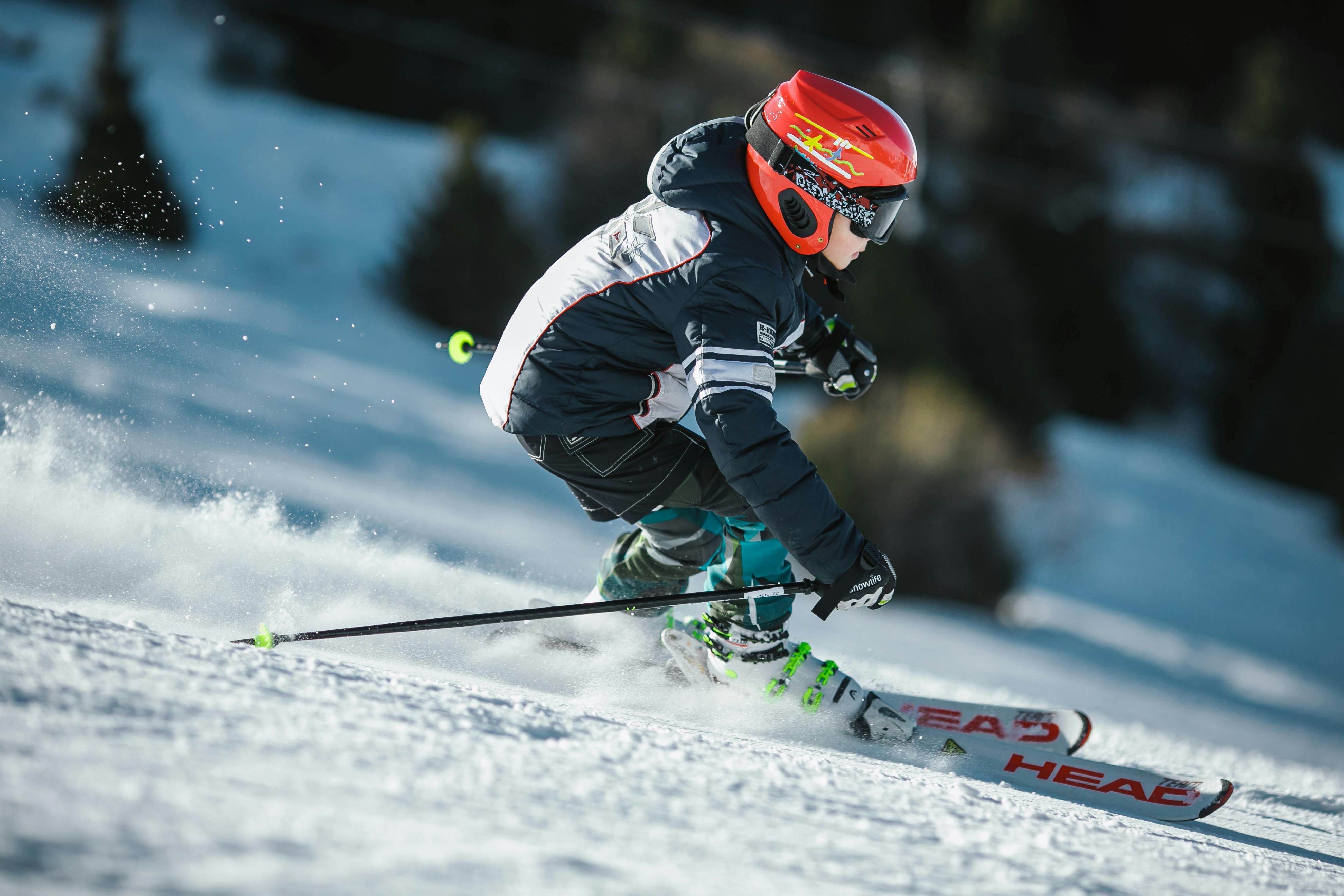
Focus: Technical refinement, speed development, competitive results.
This is the turning point where recreational racing becomes a serious pursuit. Equipment must keep pace with rapidly advancing technique.
Race Skis: True race construction with full sidewalls and discipline-specific models.
Key features: Full sidewall construction, stiffer flex patterns, advanced core materials.
Race Boots: Performance race boots with flex index 70-110 (depending on strength, weight, and height)
This is where boot investment pays the highest dividends. At Peak Performance, our licensed technicians provide comprehensive custom boot fitting services, including:
Why This Matters: Properly fitted boots feel like an extension of your body, transmitting every movement directly to the ski. A boot that's too big allows energy loss. A boot with pressure points causes pain and distraction.
Bindings: Race bindings compatible with your ski's specific plate system. Compatibility varies by manufacturer—our certified technicians ensure proper mounting and settings.
Additional Equipment:
Investment Priority:
Money-Saving Options:
Estimated Annual Cost: $2,000-4,000
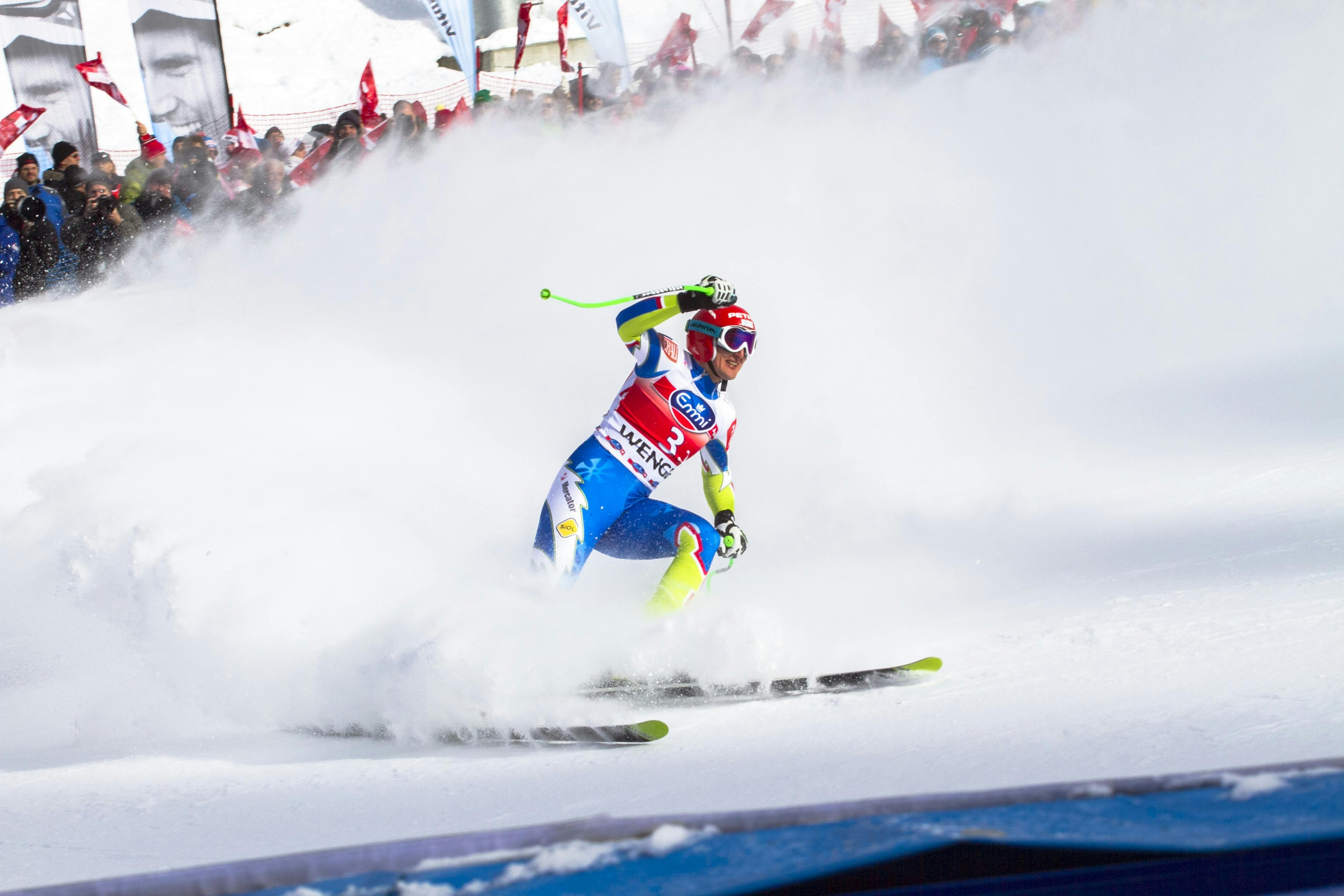
Focus: Hundredths of a second, equipment optimization, podium performance
At this level, equipment is a primary tool for competitive advantage.
Race Skis: FIS-approved skis meeting strict regulations. Required quiver:
Race Boots: Stiff race boots (110+ flex) with extensive customization:
Our licensed technicians specialize in these advanced customizations for elite athletes.
Bindings: Competition-level race bindings compatible with ski plate systems, tested by certified technicians.
Additional Equipment:
Cost-Saving Strategies:
Estimated Annual Cost: $5,000-10,000+
|
Level |
Age Range |
Ski Type |
Boot Flex |
Key Investment |
Annual Cost |
|---|---|---|---|---|---|
|
Beginner |
6-10 |
Junior/entry-level |
50-70 |
Proper boot fit |
$600-1,200 |
|
Intermediate |
10-16 |
Full race, discipline-specific |
70-110 |
Custom boot fitting |
$2,000-4,000 |
|
Advanced |
16+ |
FIS-approved quiver |
110+ |
Professional customization |
$5,000-10,000+ |
Most children transition to race-specific equipment around ages 8-10 after 1-2 seasons in development programs. Look for signs like consistent gate training, expressed desire to compete, and ability to link carved turns.
Clear indicators: skis are too short, boots are cramped or painful, the athlete consistently outperforms others with better equipment, or the coach recommends upgrading. For growing children, annual assessment is essential.
For intermediate junior racers (ages 10-14) still growing, season lease programs offer excellent value. For advanced racers or those who've stopped growing, purchasing makes more sense.
Race boots with professional custom fitting make the biggest performance difference at every level. At Peak Performance, our licensed technicians ensure boots conform precisely to your foot through grinding, punching, molding, and alignment services.
Yes. At home, touch up edges with diamond stones every 2–3 ski days and refresh wax regularly. Every 10 ski days and before major competitions, bring skis for professional tuning—precise edge sharpening, base grinding, and competition wax.
Recreational Equipment:
Competitive Race Equipment:
Think of it this way: recreational equipment is a comfortable sedan, while race equipment is a Formula 1 car.
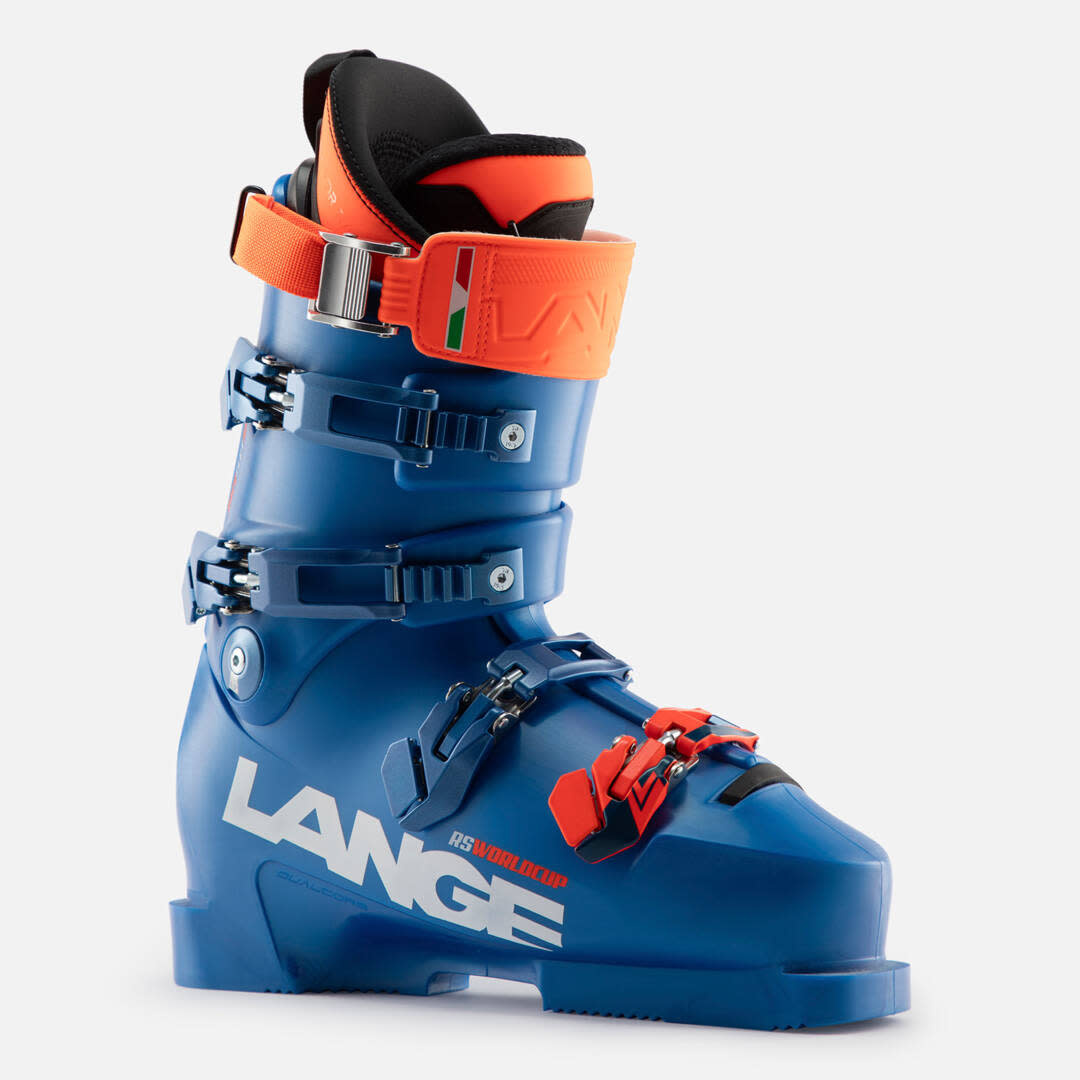
At every level, the boot is the critical connection between the athlete and the skier. Everything else is secondary to achieving a perfect fit.
A boot that's too big allows energy loss. Too small causes pain. Pressure points create compensation patterns that limit performance.
Professional boot fitting includes initial assessment, shell fitting, custom footbeds, shell punching and grinding, cant measurement, boot lifts, booster straps, and heat molding.
Investment: $100-400 depending on customization level—this one-time investment per boot pays dividends every day on the mountain.
Beginner (Ages 6-10): Chin to eye brow height
Intermediate (Ages 11-16): SL = chin to eyebrow; GS = forehead to just above the head
Advanced (17+): SL = eyebrow height up to FIS required length (women 155cm, men 165 cm); GS = top of head to FIS required length (women 188cm, men 193 cm)
These are general guidelines. Our expert staff considers your individual physique, skiing style, and competitive goals when recommending specific lengths.
A ski racer's equipment evolves in tandem with their development. The most effective approach: invest in the right gear for today's goals, not the athlete you hope they'll become next season.
Key Principles:
✓ Start appropriate, upgrade strategically
✓ Invest in professional services (boot fitting and tuning)
✓ Plan for progression as skills advance
✓ Prioritize safety always
✓ Seek expert guidance
As commitment deepens and skills advance, your investment grows in sync with your racer's development. We match athletes correctly to their equipment using this stage-appropriate approach, laying the groundwork for speed, safety, and long-term success.
At Peak Performance, we meet every athlete exactly where they are. Whether you're outfitting a young skier taking their first gates or supporting an elite competitor, we align gear with goals.
Our Services:
Visit us in Killington, Vermont, or contact us online to discuss your racer's equipment needs.

Comments
Be the first to comment...