
Cart
You have no items in your shopping cart
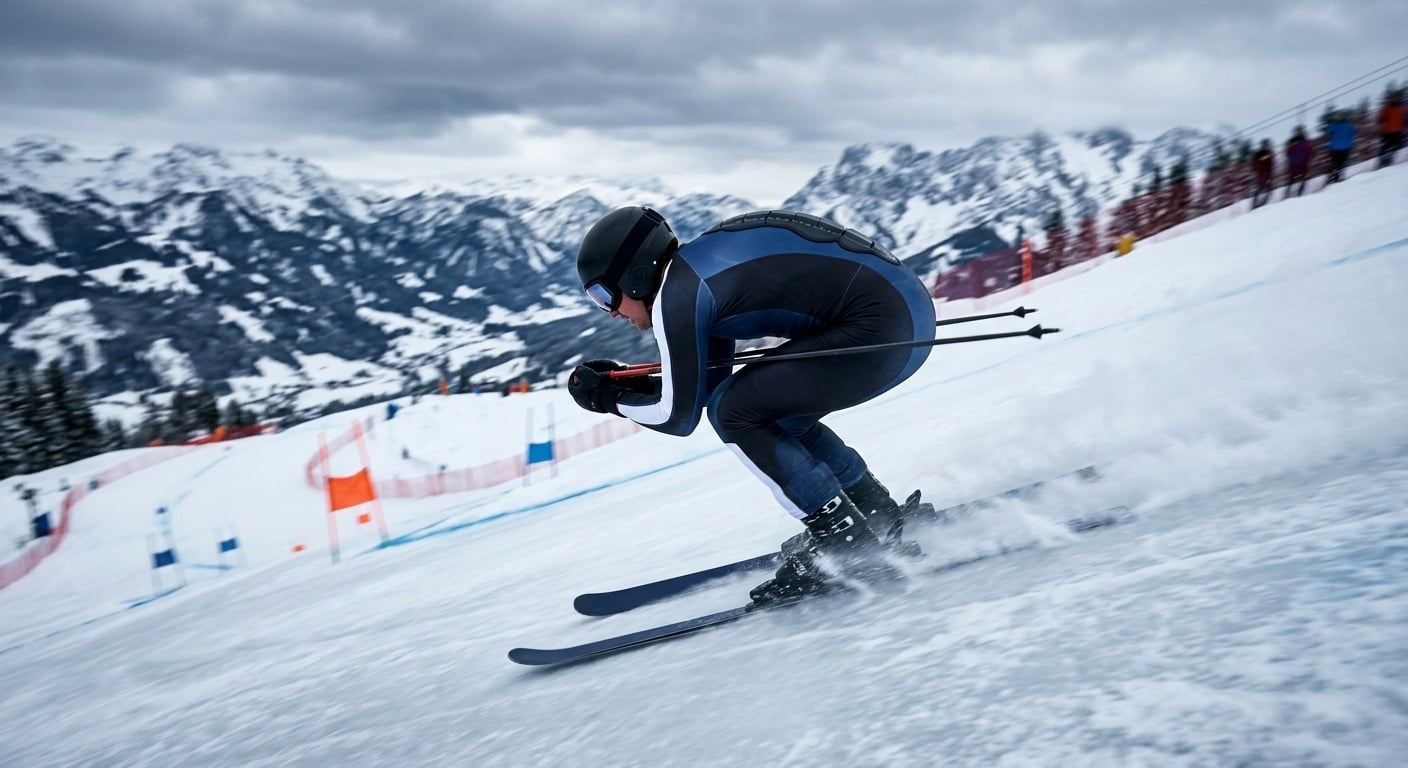
A plain-language breakdown of what FIS actually requires for back protectors in speed events, and how that differs from club and regional-level rules.
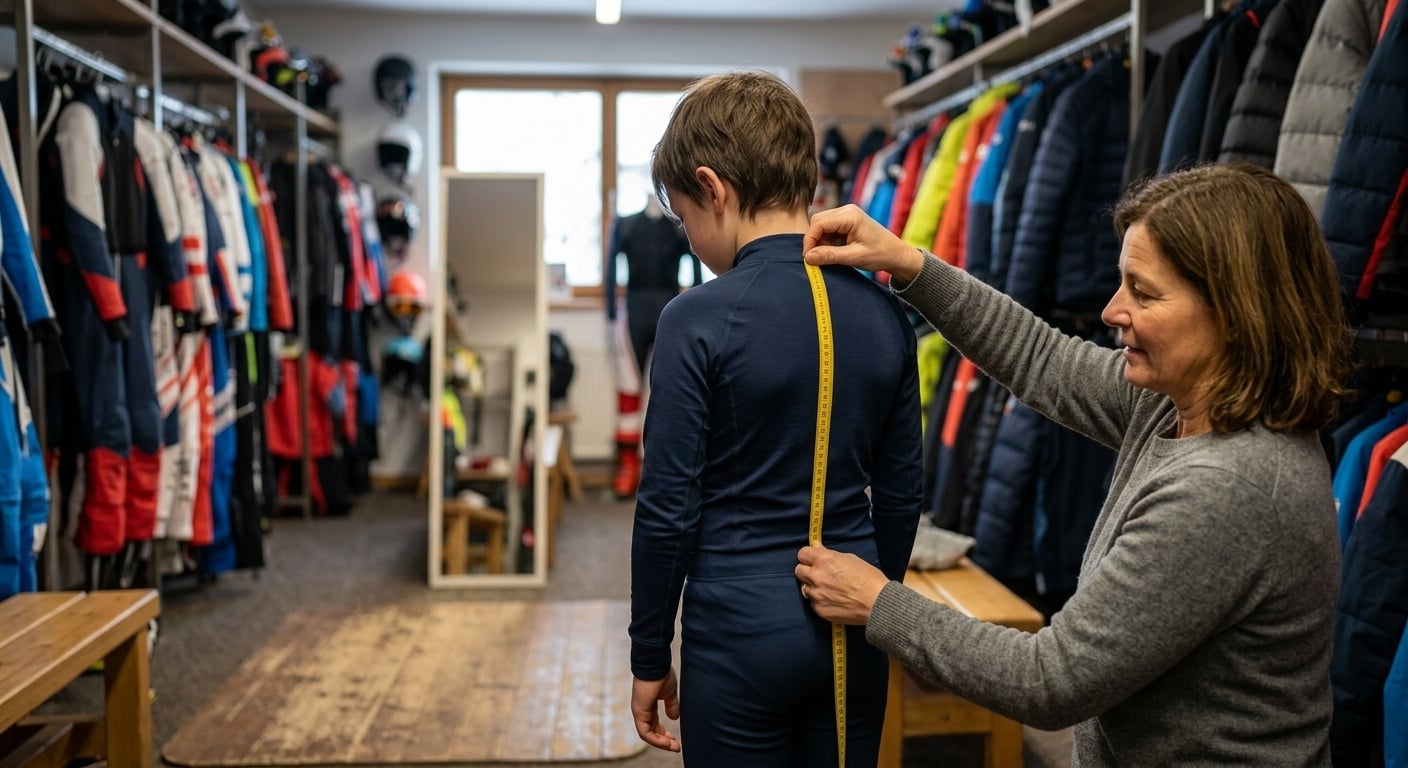
Learn the C7 to tailbone method for sizing a ski race back protector, plus how to recheck fit as a junior racer grows through the season.
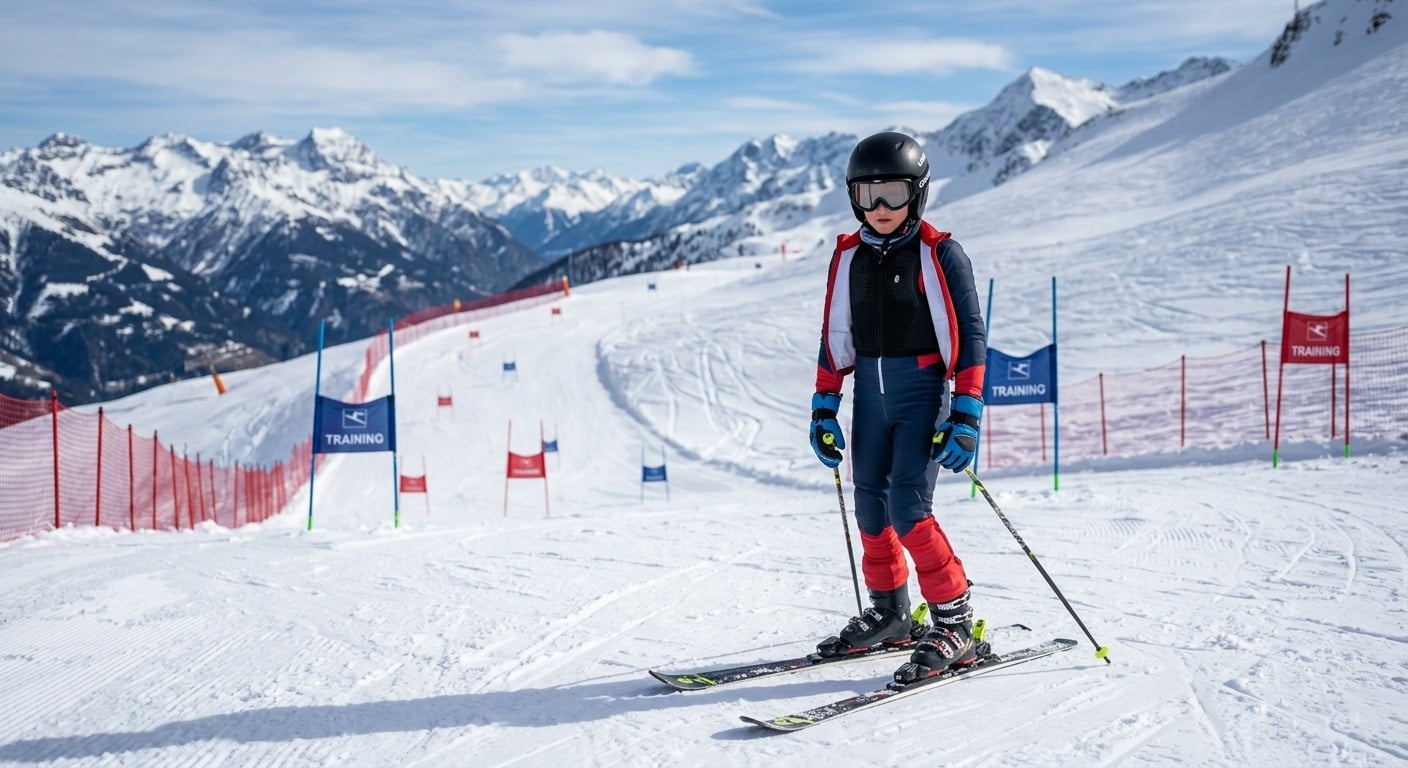
A parent's guide to junior ski race back protectors: safety levels, fit, and what to look for. Shop certified protection at Peak Performance.
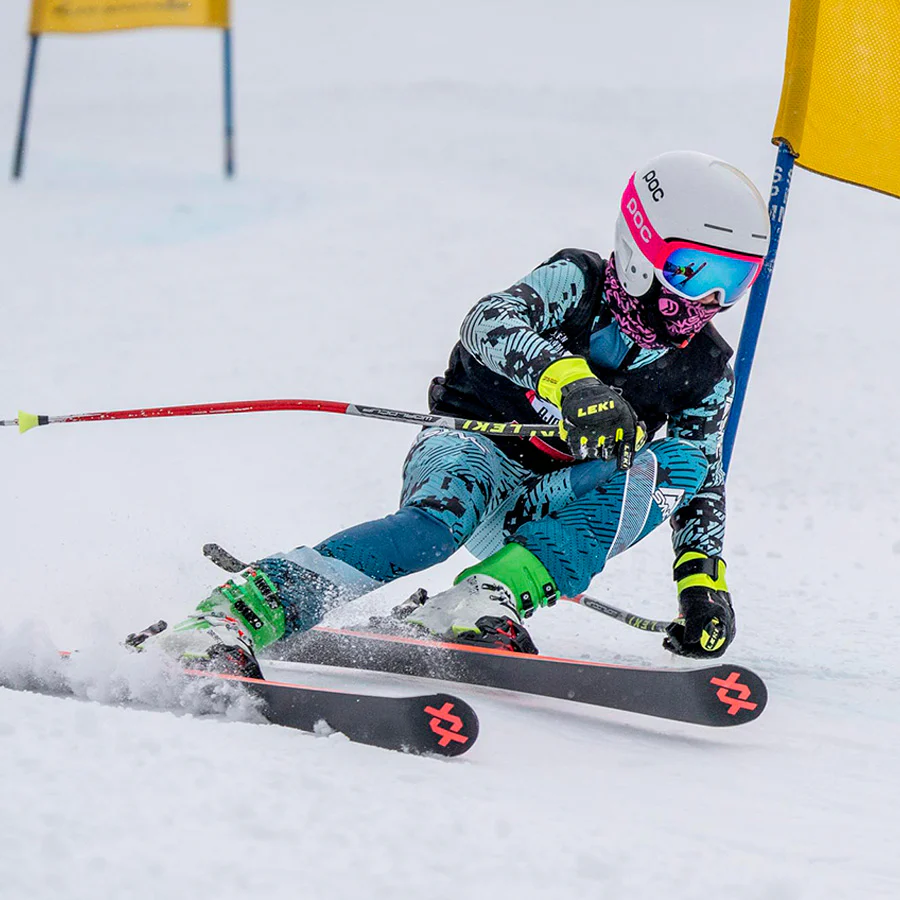
FIS race suit certification is only required for U19 athletes and older, meaning competitors age 16 and up racing at FIS events, the NorAm Series, Europa Cup, or World Junior Championships.
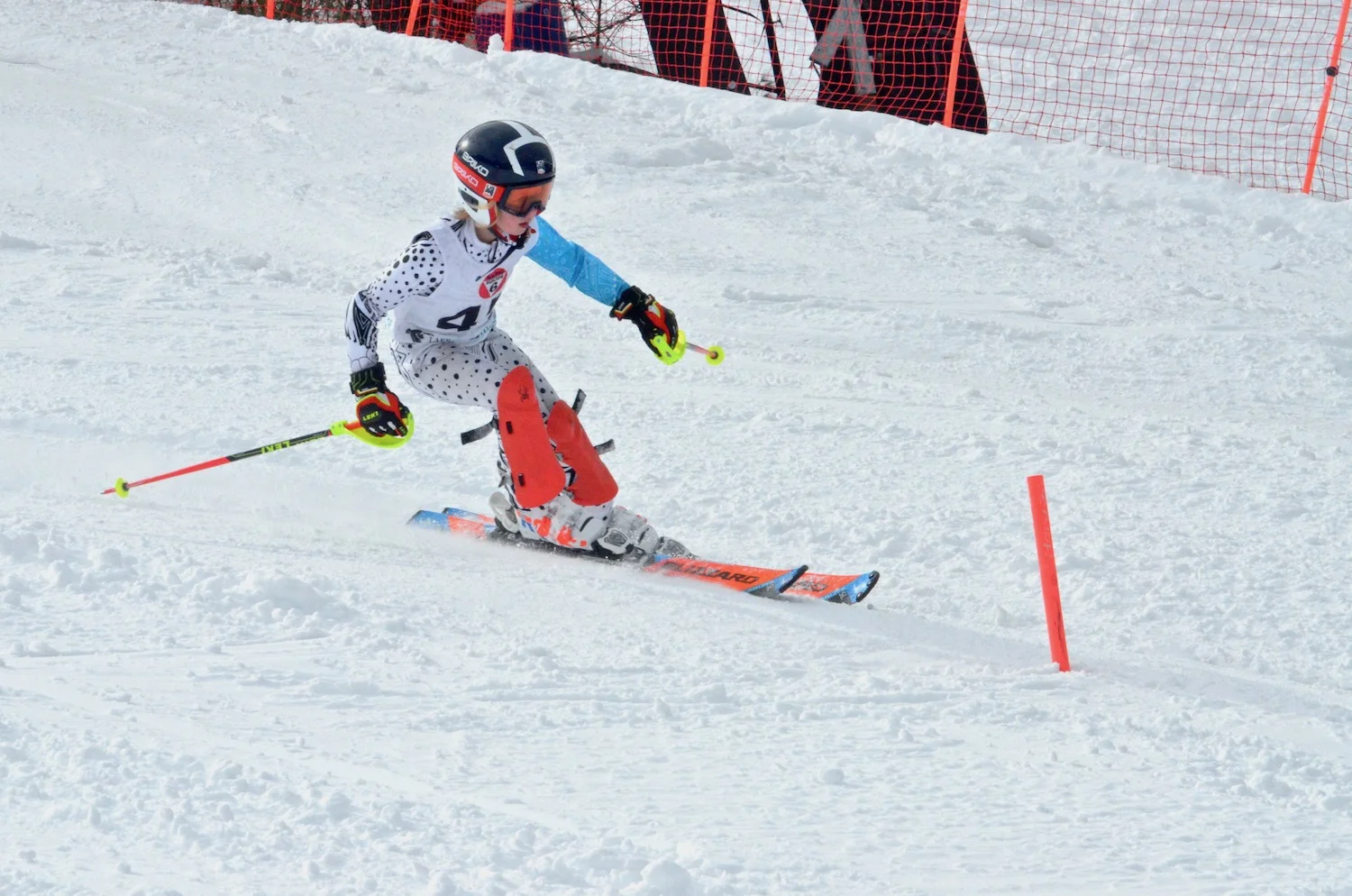
A junior ski race suit should fit snug but not restrictive. Size by height first, then weight. When the suit is on, padding should sit directly over the target joints, and the racer should be able to drop into a full tuck without the back riding up or the collar pulling. If any of those three things are off, try the next size.