
Cart
You have no items in your shopping cart
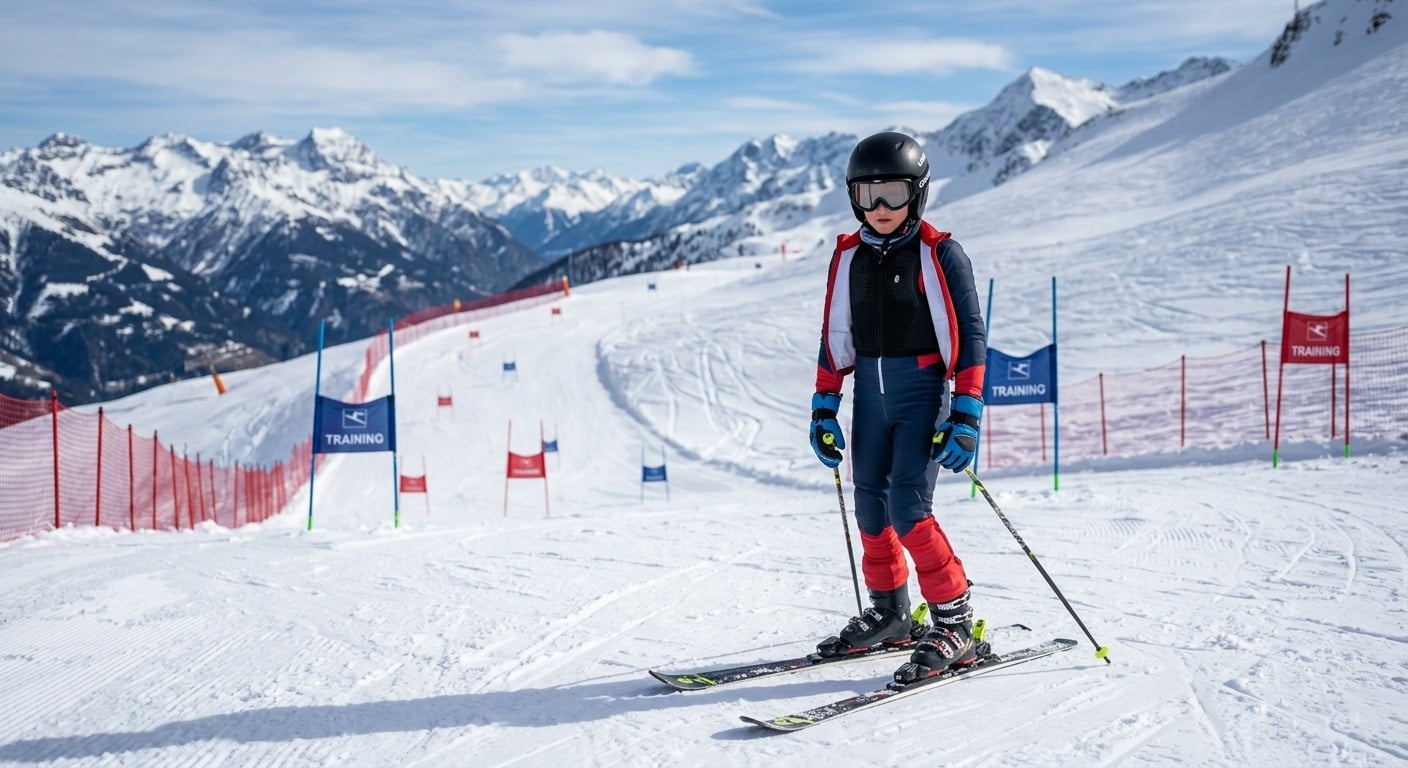
A parent's guide to junior ski race back protectors: safety levels, fit, and what to look for. Shop certified protection at Peak Performance.
A junior ski race back protector should carry an EN 1621-2 certification, fit snugly under the racer's suit without restricting arm motion, and match the level of impact protection appropriate for the events they race. Vest-style protectors are the most common choice for young racers because they layer easily.
If your junior racer is moving from recreational skiing into gates, a back protector is one of the first pieces of safety equipment worth adding to their kit. Falls at speed and impacts with gates are part of ski racing, and the spine takes the brunt of many of them.
Ski racing puts young athletes through repeated impacts that recreational skiing rarely does: hard falls on icy courses, contact with gates, and the higher speeds that come with GS and speed events. A back protector will not prevent every injury, but a properly certified one absorbs impact energy before it reaches the spine.
Most quality back protectors on the market are certified to the same impact-protection standard used across ski racing. Look for this certification on the label before you buy anything, regardless of brand or price.
Many coaches and fitters recommend treating a back protector the same way as a helmet: standard equipment worn every time a racer is on snow, not just for race day.
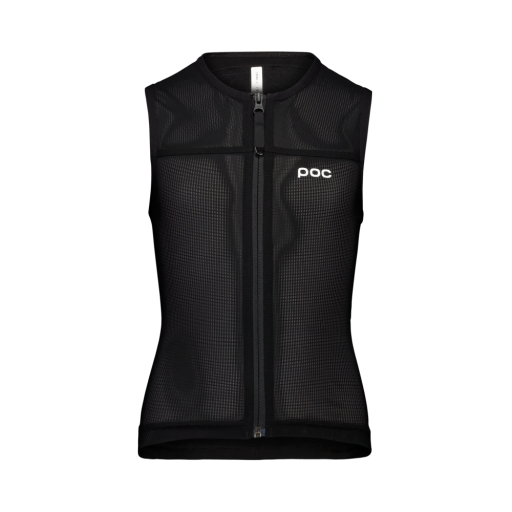
The POC Youth VPD Air Vest is a common vest-style back protector for young racers.
Back protectors are rated at two levels, and the difference comes down to how much impact force reaches the body:
For junior racers who compete in speed events, even at a young age, Level 2 protection is the safer choice. A racer who only skis slalom can typically get by with Level 1, but many families choose Level 2 across the board so the protector covers whatever event comes up during the season.
Junior back protectors come in two main styles, and both can come with or without adjustable straps depending on the model.
Vest-style protectors wrap around the torso, typically with an adjustable waist strap. They stay in place better during falls, layer easily under a race suit, and are the most common choice for young racers.
Standalone plate or insert protectors are a single rigid or semi-rigid pad that sits directly against the spine. There is no pocket sewn into the suit to hold it, the protector's own waist strap, combined with the snugness of the race suit worn over it, is what keeps it in position. They offer less adjustability than a vest style and can be trickier to position correctly each time your racer suits up.
For most families outfitting a growing junior racer, a vest-style protector offers more flexibility season to season.
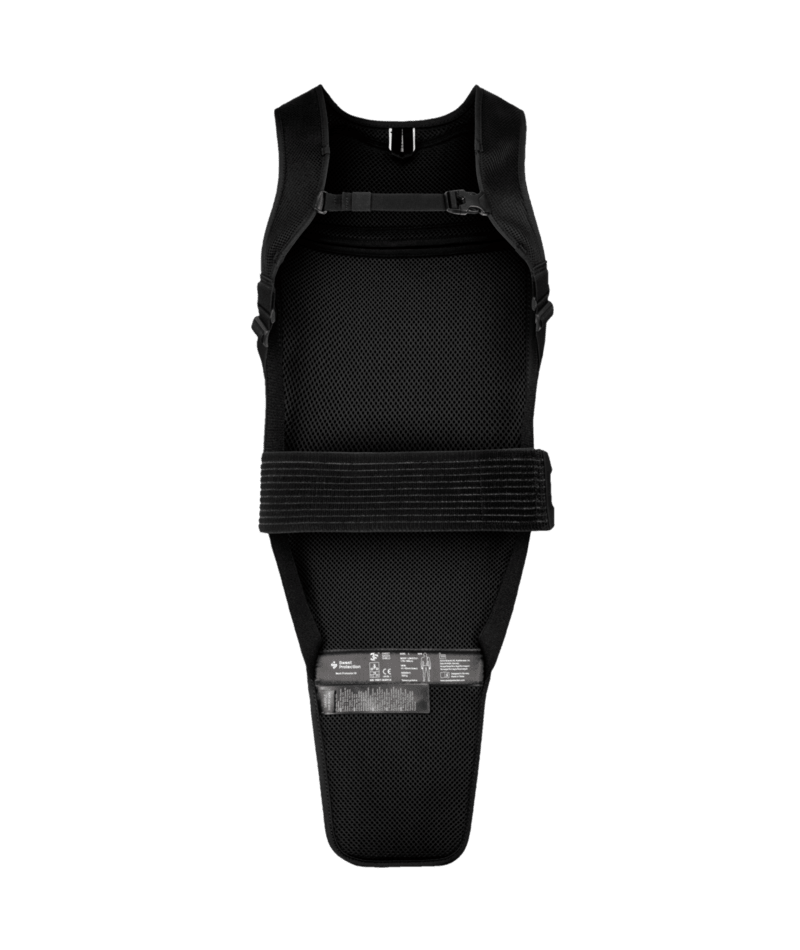
The Sweet Protection Back Protector 2.0 is a Level 1 vest built for a simpler, low-profile fit.
A back protector that rides up, shifts, or gaps at the waist will not protect the spine the way it is designed to, no matter how good the certification. Junior protectors typically come in youth sizing separate from adult models, and getting that size right matters more here than with almost any other piece of race gear. This is part of a bigger pattern in junior gear, since most of a young racer's equipment, from race skis to boots, needs regular resizing as they grow.
We cover the exact measurement method, from the base of the neck to the tailbone, in our ski race back protector sizing guide, since it deserves its own walkthrough rather than a quick paragraph here.
One fit detail parents often miss: a back protector is a separate, required piece of equipment. It is not built into a padded GS race suit, even though the suit itself has padding at the hips and shoulders. The protector goes on first, then the suit goes on over it.
Programs that include GS, Super G, or downhill often set their own equipment requirements on top of the general safety recommendation, and those requirements can vary by age division and by the sanctioning body running the event. We break down what FIS and USSA actually require for speed-event racers in our FIS back protector regulations guide, since the rules are specific enough to deserve their own detailed answer rather than a summary here.
Peak Performance carries junior-specific back protectors from Atomic, POC, Sweet Protection, and Shred, including youth-sized vests built for growing racers. Our team can help fit your racer in person and check compatibility with their current race suit before you buy. Stop in or call ahead to check current junior sizes in stock.
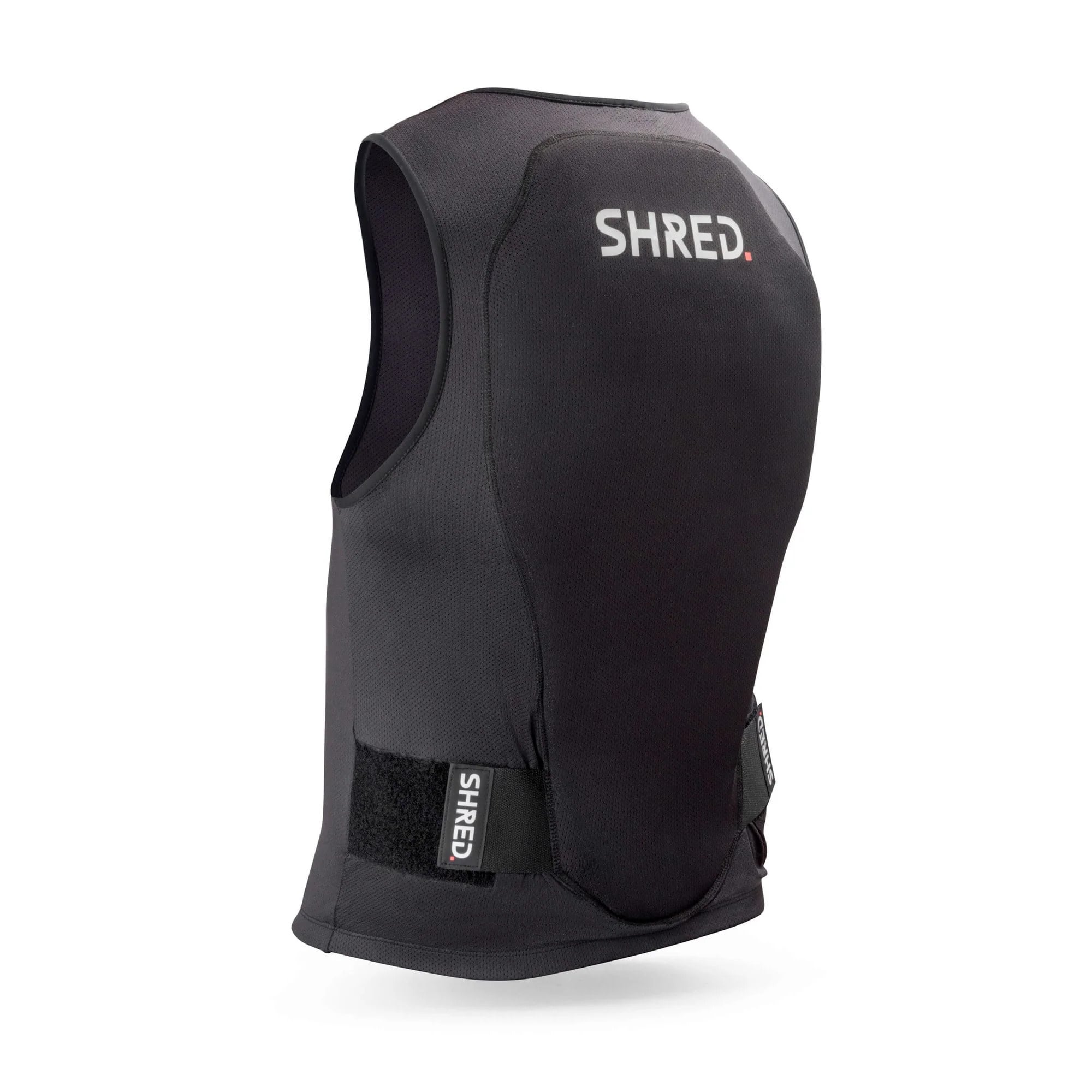
The Shred Flexi Back Protector Vest, one of several junior-friendly options in stock.
Requirements vary by program and event type, so check with your racer's coach or club about specific rules for their age division. A certified back protector is a widely recommended safety standard even where it is not strictly mandated.
Level 2 protectors absorb more impact force and are built for higher-speed disciplines like GS and downhill. Level 1 is lighter and suits lower-speed skiing, including slalom.
Yes. A back protector goes on underneath the race suit as a separate piece of equipment. The suit's own padding at the hips and shoulders does not replace it.
Junior back protectors generally run from about $125 to $200, depending on brand, style, and certification level.
Many families add a back protector as soon as a child moves from recreational skiing into gate training, regardless of exact age, since that is when fall frequency and impact speed both increase.
Browse our full junior and adult back protector selection for current sizes and styles, or pair it with shin guards to round out your racer's protective kit. Stop in or call ahead and our team will help fit the right protector to your racer's suit and events.
Comments
Be the first to comment...