
Cart
You have no items in your shopping cart

Is a chin guard required for slalom? See what U.S. Ski & Snowboard rules say, who wears one by age group, and how to choose. Killington's race shop.
In U.S. Ski & Snowboard races, a chin guard is permitted on slalom helmets but not required. Most slalom racers wear one anyway, and clubs may require it by age and event. Check with your club before race day.
Do you need a chin guard for ski racing? For slalom, most families say yes. A chin guard adds protection where a racer is most exposed, and many clubs expect one. The national rules are looser than most parents think. This guide covers what the rules say, what clubs expect at each age, and how to pick the right guard.
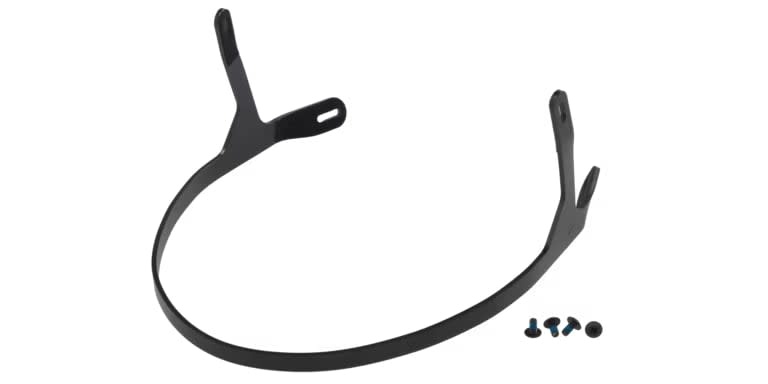
A removable slalom chin guard: Oakley MOD1 Pro SL Chin Guard
A chin guard is a shield that attaches to the front of a race helmet. It sits in front of the chin and mouth. Most guards are removable, so a racer can mount one for slalom and take it off for other events.
Chin guards are not universal. Each one is made for specific helmet models, which we cover in our POC, Sweet Protection, and Shred chin guard compatibility guide.
Slalom is tight. Gates come fast, and racers push them aside with their hands, arms, and body. The face stays close to every pole. A chin guard adds coverage when a gate swings back or a racer takes a hard fall.
Snow conditions matter too. Eastern race hills, including the ones our Killington racers train on, are often firm and icy. A fall on hard snow hurts, and a chin guard helps shield the lower face.
A chin guard helps with:

Coverage for the lower face when gates swing back: Smith Chin Guard
The U.S. Ski & Snowboard 2026/27 Alpine Equipment Regulations cover helmets for all ages. For slalom, they say:
Notice the word "permitted." The national rule allows a chin guard. It does not say every racer must wear one. That gap is where club and event rules come in.
Age groups follow U.S. Ski & Snowboard categories. Courses change as racers move up, and so do expectations. Use this table as a guide, then confirm with your club.
| Age Group | Typical Slalom Setup | National Rule | What Clubs Often Expect |
|---|---|---|---|
| U10 and younger | Often stubby poles | Permitted | Varies by club and pole setup. Ask first. |
| U12 | Stubby or tall/full poles, depending on the club | Permitted | Commonly recommended |
| U14 | Tall/full slalom gates | Permitted | Commonly recommended |
| U16 and older, FIS, Masters | Tall/full slalom gates | Permitted | Widely used and strongly recommended |
Younger racers often start on stubby poles. They are short, light, and flexible, and racers block them with their boots and shins instead of their hands and face. Some clubs move to tall poles early, so the setup is not tied to age alone. Older racers run tall/full-pole courses and hit gates with their hands, arms, and face. Some programs tie their chin guard rules to that change.
A younger racer may not need a chin guard on a stubby-pole course, but may need one once the setup changes. Ask your coach which course setup your racer will run this season. Racers on stubby poles also take hits on the lower leg, so pair that setup with our shin guards.

Shin protection for racers who block gates with their legs: Rossignol Hero Jr Shin Guard
No. A chin guard is built for slalom, and racers must remove it for GS and speed events. Racers U14 and older must also wear a helmet that meets FIS standards in GS, Super G, and downhill. See our GS helmets, or read how a GS helmet differs from a slalom helmet.
Start with the helmet, not the guard. Check the brand and model on your racer's helmet, then find the guard made for it. Our selection covers popular race helmets from POC, Sweet Protection, Shred, Smith, Atomic, and Oakley. Browse our race helmet chin guards to see what fits.
Do not force a guard onto a helmet it was not made for. A poor match can mount badly or leave gaps. If you need a new helmet first, shop our slalom helmets.
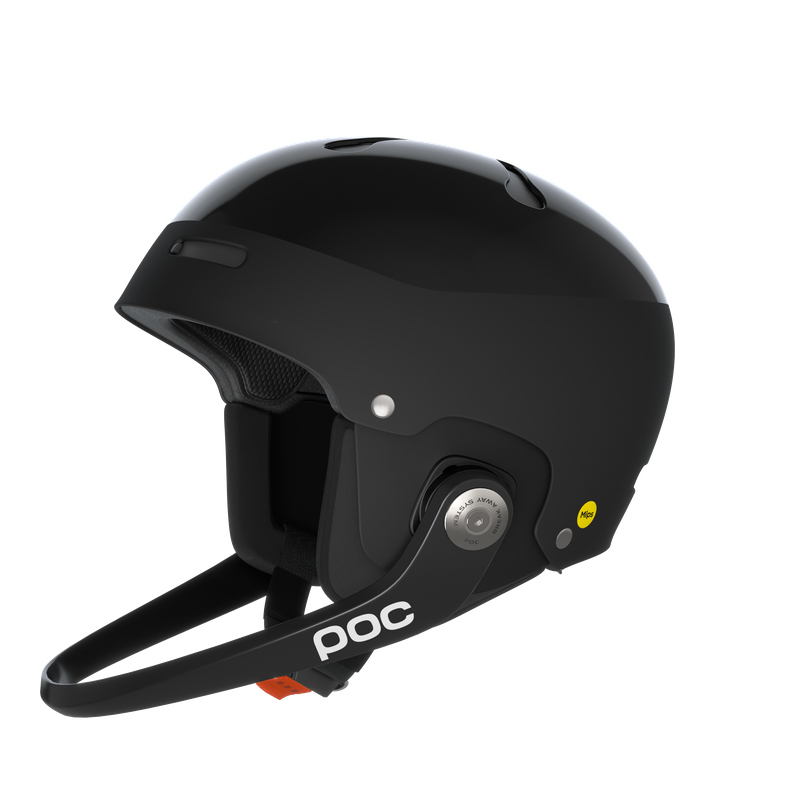
A slalom helmet that comes with its matching chin bar: POC Artic SL MIPS
Soft-ear helmets are allowed in slalom, and U10 and younger racers may also use them in GS. We still recommend a hard-ear helmet for the best protection. Shred even makes separate guards for each style, which shows why the helmet comes first. Pick the helmet, then pick the guard that fits it.
A chin guard adds protection. It does not replace a well-fitted, certified race helmet. It also does not replace other gear your racer needs, like a back protector, which is always a separate piece of equipment.
Race season is close. The Stifel Killington Cup returns on Thanksgiving weekend, and local racers will be back on snow soon after. Bring your racer's helmet to our shop at 2808 Killington Road. We are your partner in getting your racer race-ready, and we check the fit on suits, helmets, ski sizing, and more.
In U.S. Ski & Snowboard races, the national rules permit chin guards on slalom helmets but do not require them. Clubs and events may set their own requirements by age group and pole setup, so check with yours.
It depends on your club and the pole setup. Younger racers on stubby poles may have different expectations than racers on tall/full-pole courses. Ask your coach.
No. Chin guards are made for specific helmet models. Check your helmet's brand and model first, then choose a guard made for it.
No. Racers must remove the chin guard for GS and speed events.
Yes. Soft-ear helmets are permitted in slalom, and U10 and younger racers may also use them in GS. We still recommend a hard-ear helmet for the best protection.
Rules change by club and age group, but protection stays simple. Browse our chin guard collection, call us at 802-422-9447, or stop in at 2808 Killington Road in Killington, VT. We will help you match the right guard to your racer's helmet.
Comments
Be the first to comment...