
Cart
You have no items in your shopping cart
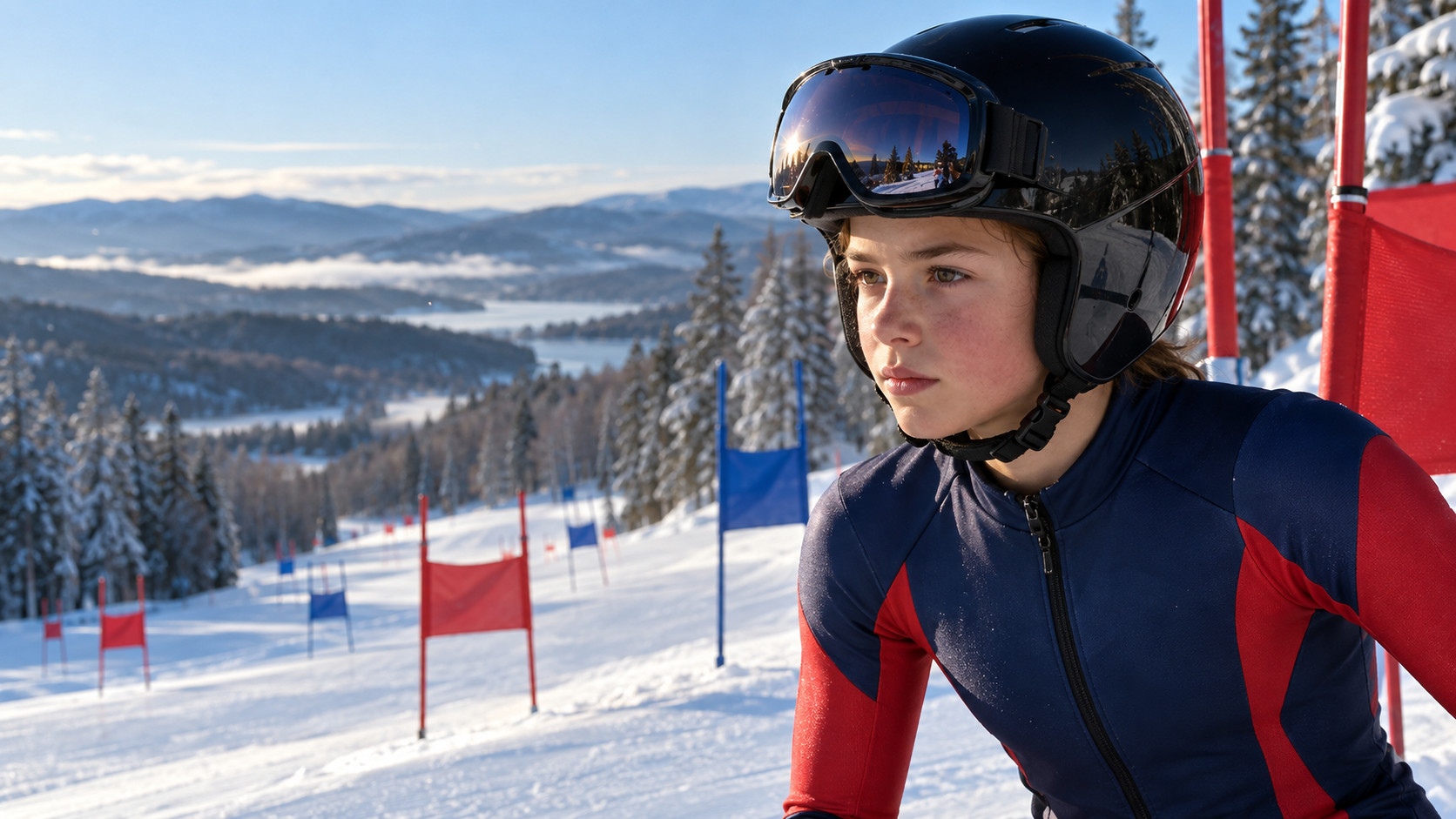
Wondering if your junior racer needs a FIS-certified helmet? Learn when it's required for GS, Super-G, and Downhill, and what to check before race day.
A FIS-certified helmet is required for Giant Slalom (GS), Super-G, and Downhill racing. For Slalom, a standard certified race helmet is generally enough. If GS or a speed event is on your racer's schedule, the helmet needs the FIS RH 2013 label before race day, because officials check for it at inspection.
If you are a parent shopping for race gear for the first time, this is easy to miss. A helmet can look race-ready on the shelf and still fall short of the standard. It is much better to find that out in the shop than at the start gate.
FIS-certified means a helmet meets the International Ski Federation's RH 2013 standard. To qualify, it has to pass both ASTM F2040 and EN 1077 Class A testing, the same baseline behind most ski helmets. It then has to pass an extra impact test at a higher speed, built around the forces of gate racing.
A compliant helmet also carries a permanent label on the back stating that it conforms to the FIS 2013 specification. No label, no racing. That small label matters more than the brand name or the price tag.
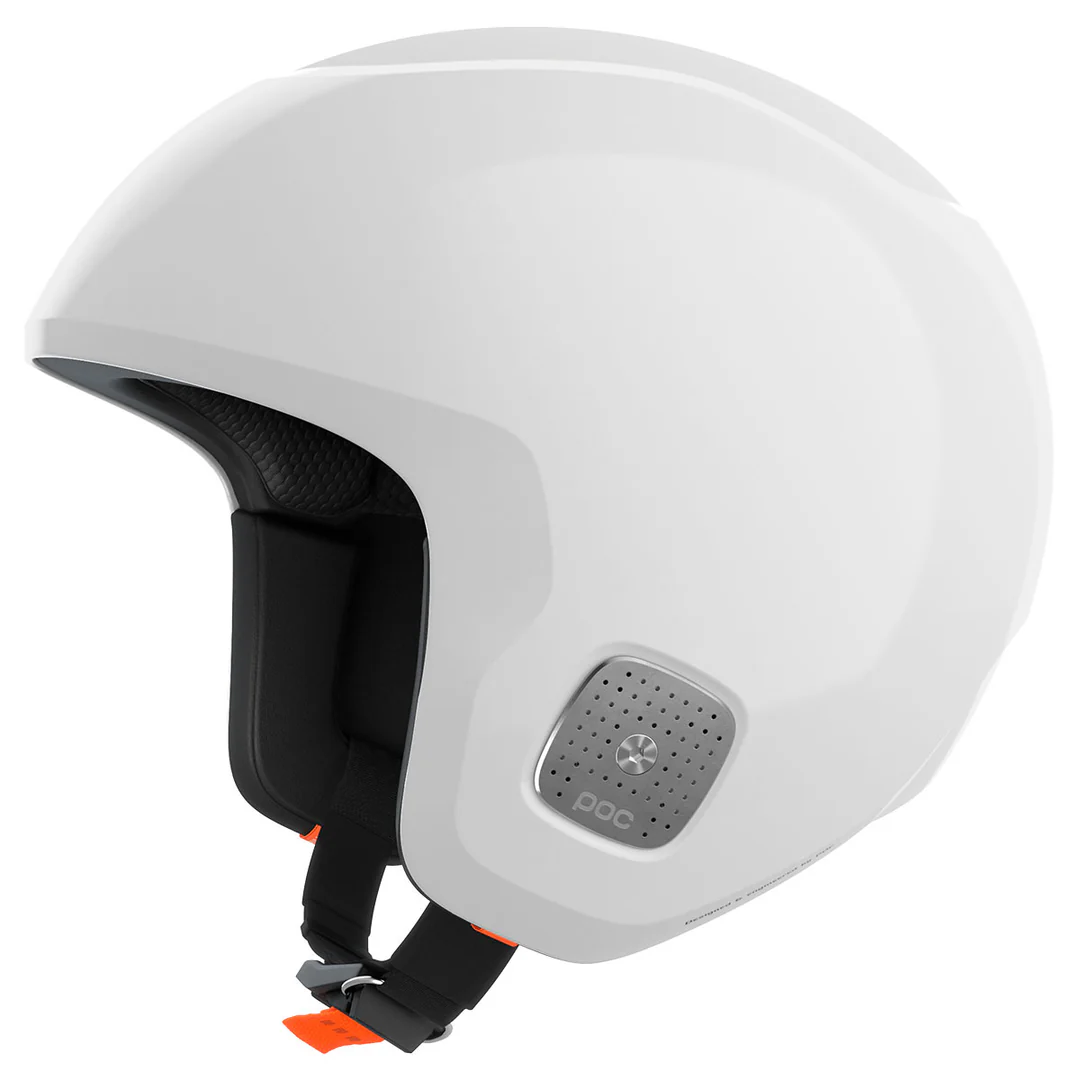
The POC Skull Dura Comp MIPS, a FIS RH 2013-certified race helmet.
Age-group rules can vary by region and by program, so confirm what your racer needs with their coach before you buy.
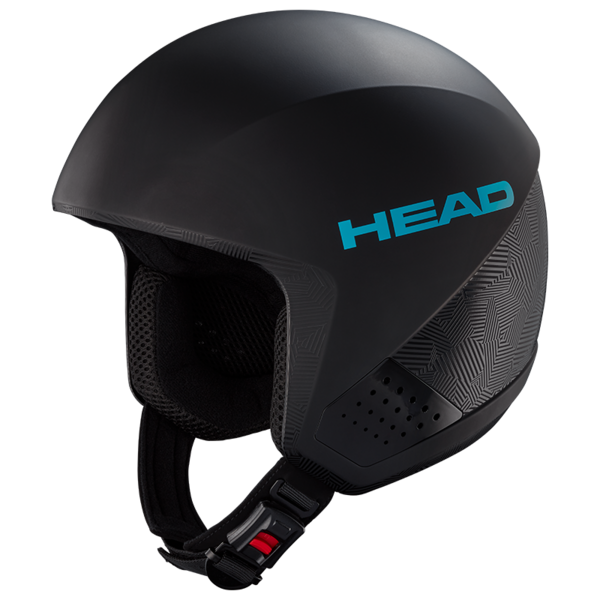
The HEAD Downforce MIPS runs adapters for speed events and swaps to a chin guard for technical events.
A helmet is only part of the setup. Many racers also add a chin guard for Slalom. Chin guards are matched to a helmet brand and model, so choose the helmet first, then shop for the chin guard that fits it. Some helmets, like the POC Skull Dura Comp MIPS, are built to work with a matching chin guard.
What your racer needs for each event can depend on age group and course format, so ask your coach. When you are ready, browse our Chin Guards collection.
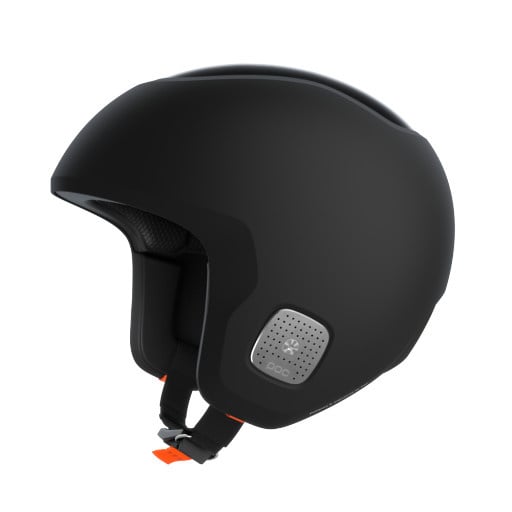
The POC Skull Dura Comp MIPS is built to work with the Maxilla Breakaway Chin Guard.
Peak Performance carries FIS-certified GS helmets from POC, Smith, Oakley, Atomic, Head, Sweet Protection, and more, in junior through adult sizes. Not sure which model suits your racer's events? Stop by our Killington shop and we will help you match the helmet, the size, and the chin guard in person.
Generally no. A standard certified race helmet is enough for Slalom in most programs. FIS certification is required for GS, Super-G, and Downhill. Check with your coach if you are unsure about your racer's events.
Look for the permanent label on the back of the helmet stating that it conforms to the FIS 2013 specification. Officials check for this label at race inspection.
Often, yes. Many junior racers wear a hard-ear, FIS-certified GS helmet and add a removable slalom chin bar when they race Slalom. Our GS Helmet vs. Slalom Helmet guide covers how that setup works.
It depends on the event and age group. A chin guard is a separate piece of equipment, and it needs to match the racer's helmet brand and model. Ask your coach, then stop in and we will help you find the right one.
Both pass the same baseline ASTM F2040 and EN 1077 Class A tests. A FIS-certified race helmet also passes an extra, higher-speed impact test built for gate racing.
If GS, Super-G, or Downhill is anywhere on your racer's schedule this season, start with a FIS-certified helmet. Browse our FIS-certified GS helmet collection, or stop by our Killington shop and we will fit your racer with a helmet that is ready for inspection on day one.
Comments
Be the first to comment...