
Cart
You have no items in your shopping cart
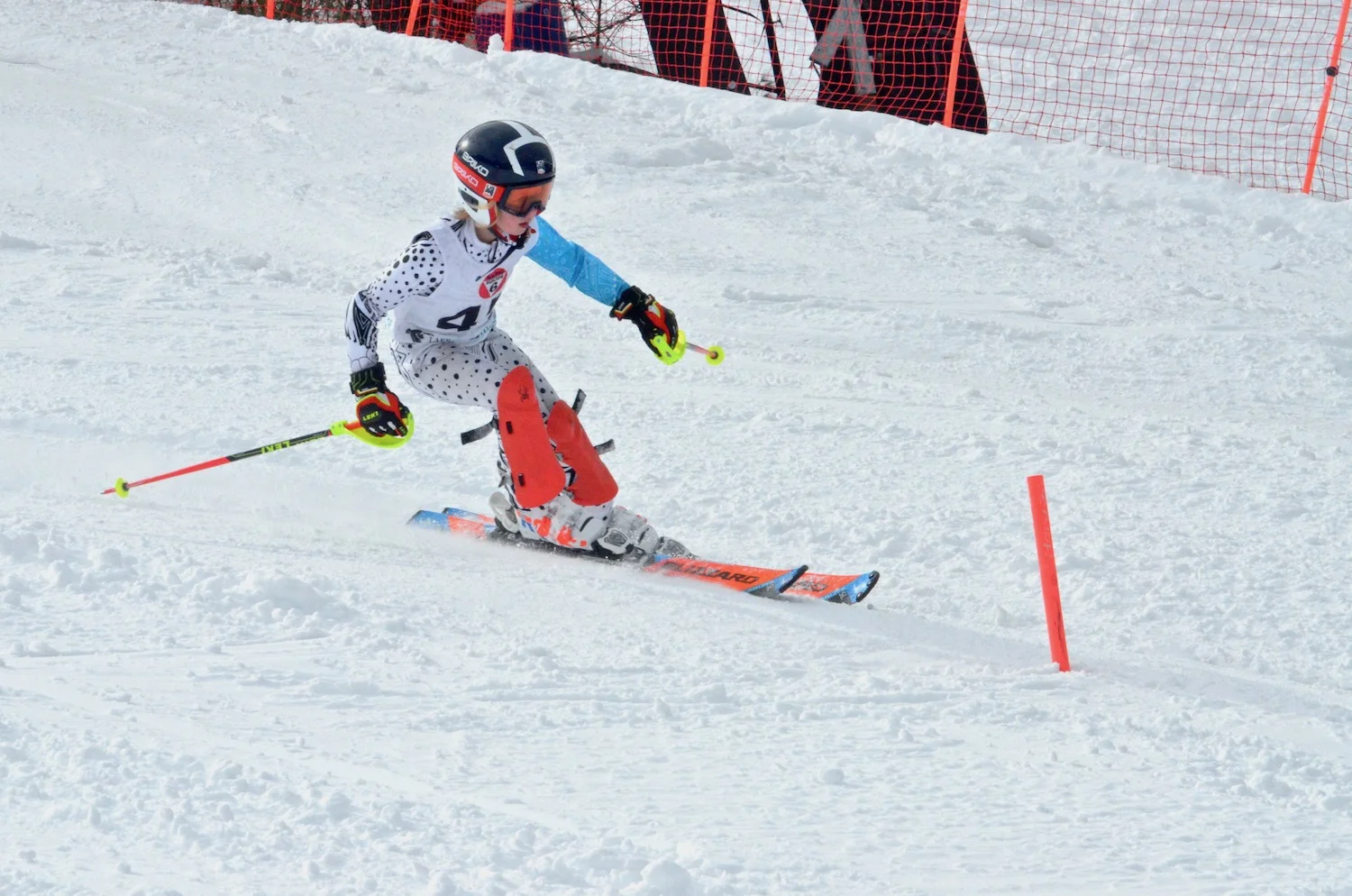
A junior ski race suit should fit snug but not restrictive. Size by height first, then weight. When the suit is on, padding should sit directly over the target joints, and the racer should be able to drop into a full tuck without the back riding up or the collar pulling. If any of those three things are off, try the next size.
Getting a race suit to fit right takes more than reading a size chart. Most parents size up for room to grow or size down, expecting the fabric to stretch. Both choices cause real problems on course. Here is how to measure correctly, what to look for with integrated padding, and the movement checks that confirm a fit before you buy.
A race suit does two jobs: it reduces wind resistance, and it puts protection exactly where the racer takes hits from gates. Both depend on fit.
A loose suit moves padding away from the joints it was built to cover. The upper arm pads drift off the shoulder, the hip pads slide to the side, and in a fall none of them are positioned correctly. Baggy fabric also adds drag and cancels the aerodynamic benefit of wearing a suit in the first place.
A suit that is too tight creates a different problem. Race suit fabric is a knit stretch material. When it is stretched thin, it becomes more porous, which reduces its effectiveness against wind. The right size is snug, not strained.
Height is the single most important measurement for sizing a junior race suit. Most manufacturers build their junior size ranges around height, not age or weight. If your racer falls between sizes for height and weight, always go with height.
Take these three measurements before you look at a size chart:
If the measurements land between two sizes, buy the larger one. The vast majority of race suit returns are exchanged for one size up.
Most junior GS race suits come with integrated padding on the upper arms, forearms, hips, lower back, and shins. When the suit is on, each pad should sit directly over the body part it protects.
Check these positions before committing to a size:
If pads are displaced or bunching anywhere, the suit is the wrong size. A pad that is not over its target zone provides no protection in a crash. Browse our junior GS race suits at Peak Performance to see what we currently carry in stock.
Once the suit is on, have your racer run through the movements they will use on course. This is the quickest way to confirm the fit works before you leave the shop.
Check three positions:
Try the suit over a base layer and a back protector. Race suits need to fit the full setup, not just the suit alone. Zippers do not stretch, so confirm the collar closes without gapping and the torso is long enough when your racer reaches forward. Our ski racing equipment by age group guide provides a complete breakdown of the protection setup, covering everything from SL gate guards to back protectors for different ages and disciplines.
A new race suit is supposed to feel tight. The knit fabric relaxes over the first several uses and conforms to the racer's body. A suit sized for initial comfort will be loose by February.
The most common mistake parents make is buying based on how the suit feels on the hanger. Buy for a snug fit that passes the tuck test. The fabric does the rest.
One exception: arm and leg length. Junior suits often run long in the arms and legs. If the arms are slightly long but the torso fits, the padding is in position, and the tuck test passes, that is fine. Most racers roll the cuffs during use.
For most junior racers, no. According to the FIS specifications for alpine competition equipment, FIS certification is only required for U19 athletes (age 16 and up) competing in FIS events, the NorAm Series, Europa Cup, or World Junior Championships.
Club races, state championships, and USSA regional events at the U14 and U16 levels do not require a certified suit. A properly fitted GS race suit is what matters at the junior level. See our full race suits and clothing collection for current options.
Size by height first. Bring your racer's height, chest circumference, and weight to the brand's size chart. If the measurements fall between two sizes, go up. A snug suit today will break in and conform over the first several uses.
No. A loose race suit moves the integrated pads off the joints they protect, reduces the aerodynamic benefit, and does not break in the way a properly sized suit does. Buy the right size for this season.
At most junior competition levels, yes. The majority of young racers use their GS suit for both disciplines. Purpose-built SL suits are a consideration at higher competitive levels, but they are not required at the junior club or regional level.
If the integrated padding has cracked, shifted permanently out of position, or no longer sits over the target joints after washing, the suit may need to be replaced. Most quality junior suits hold up for two to three seasons with regular race use.
No. A race suit provides padding on the arms, hips, and lower body. A back protector is a separate piece of equipment that covers the spine from the base of the neck to the tailbone. The two work together, and neither replaces the other.
When you are ready to find the right fit for your young racer, come see us at Peak Performance in Killington. We can walk through sizing with you in person. Call us at 802-422-9447 or stop in, we'll walk you through sizing in person.
Comments
Be the first to comment...