
Cart
You have no items in your shopping cart
When you rent skis, it’s easy to assume the biggest variables are length, ability level, and boot fit. While length, ability level, and boot fit are important, rental ski tuning often determines whether a ski feels predictable or unpredictable.
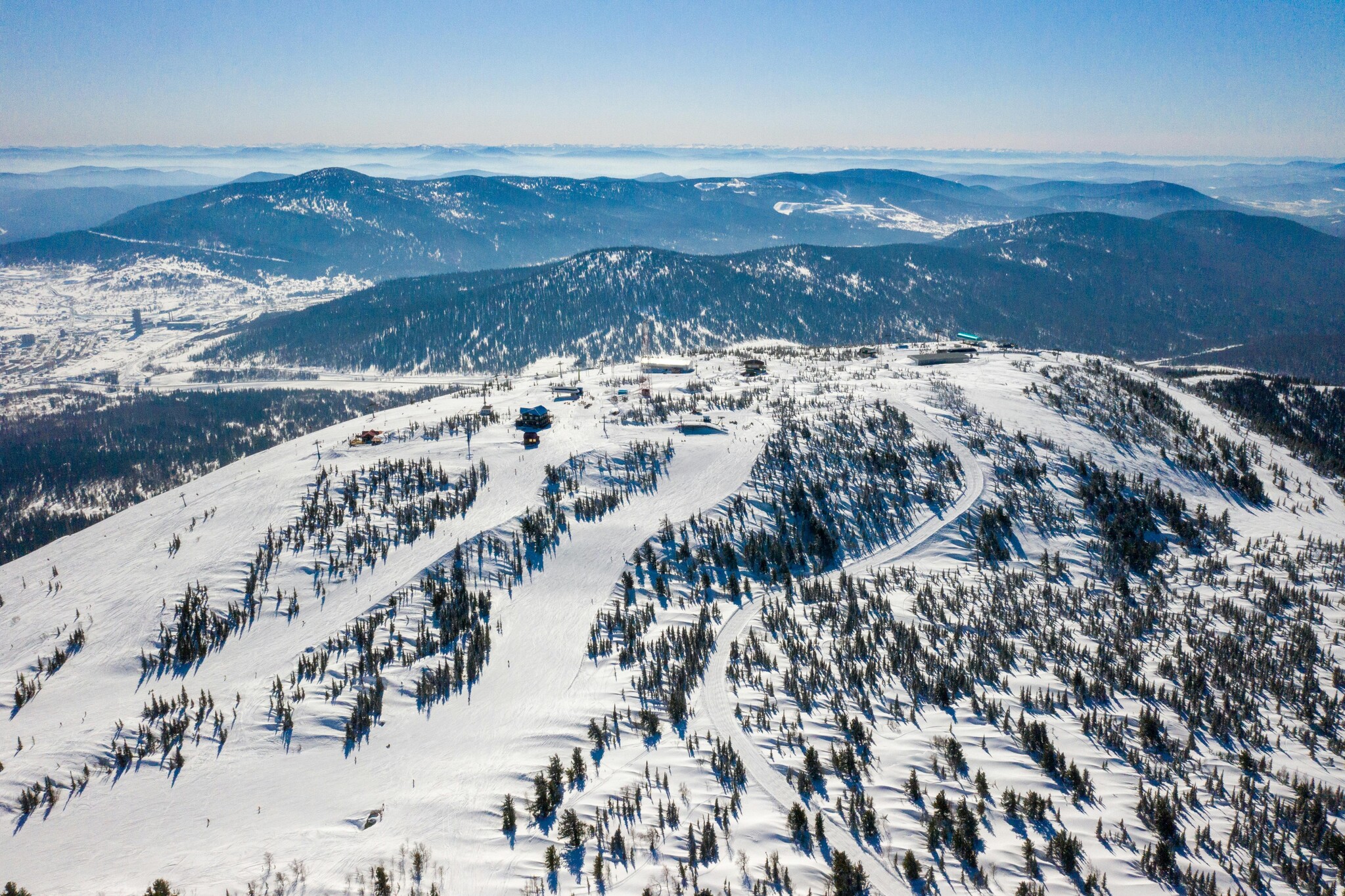
Killington is a perfect place to notice the impact of tune quality. The mountain’s traffic, grooming cycles, and frequent temperature swings create a mix of surfaces in a single day: early-morning firm corduroy, scraped-off hardpack by late morning, a little pushed-around snow in the afternoon, and occasionally true ice in wind-exposed zones. In those Killington ski conditions, a rental ski’s edges and base structure matter, especially if you want consistent grip and smooth turning.
This article explains what “tuned” actually means, why freshly tuned skis change the way you ski, and what to look for when evaluating ski rental quality in Killington.
A proper ski tune involves a series of specific, measurable services, rather than a vague assurance that the skis are ready for use. At a high level, tuning addresses two things: how the ski interacts with the snow through the base and how it bites into the snow through the edges.
Good tuning is also consistent. It’s not just one great tune at the start of the season; rental ski maintenance needs to happen repeatedly because rentals see more abuse in a week than many personal skis see in a month.
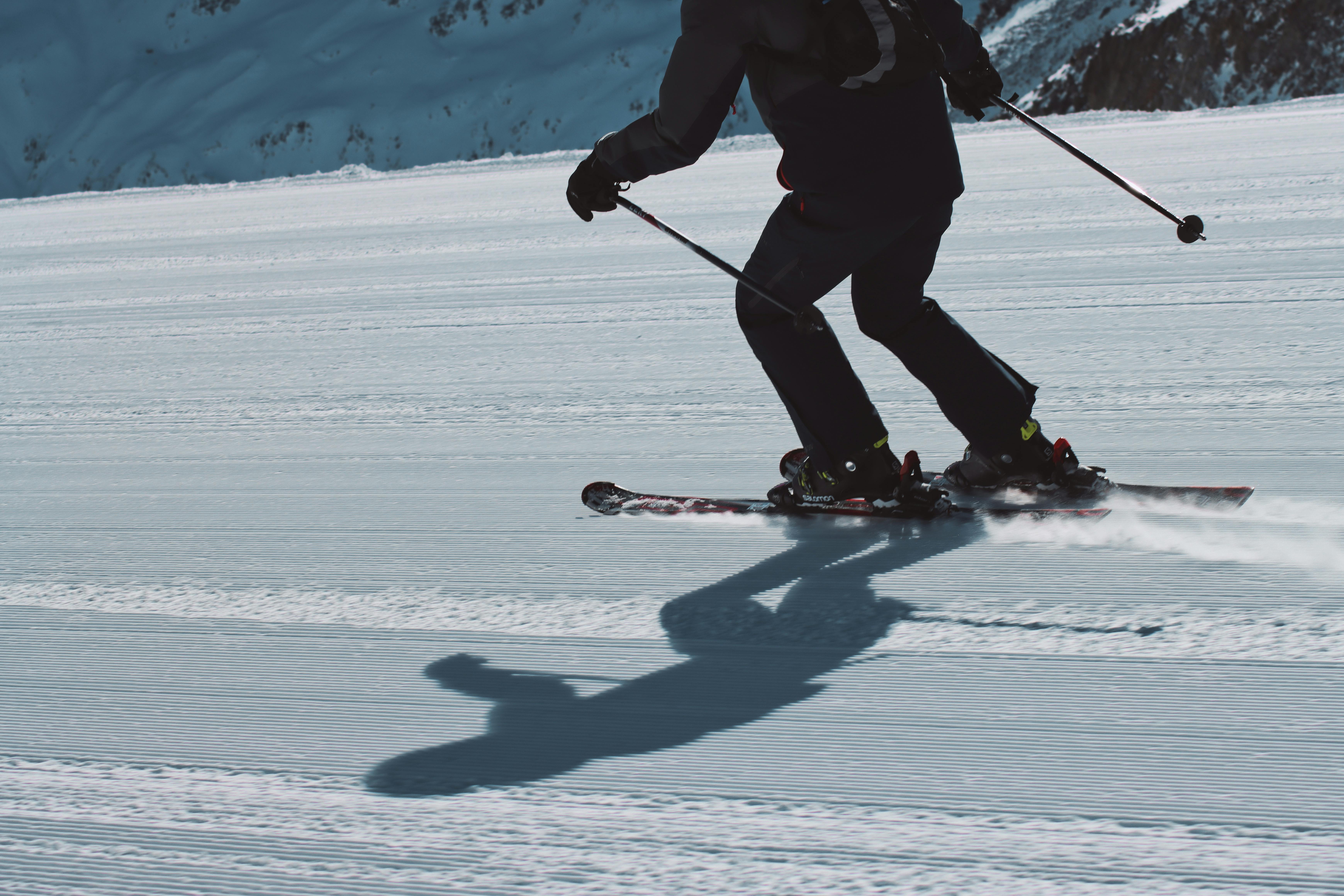
Killington is known for long seasons, strong snowmaking, and high skier volume. Those are great features for visitors, but they also create surfaces that quickly expose dull edges or slow bases.
Manmade snow crystals are typically denser and more abrasive than natural snow. That means edges dull faster, and the snow surface can feel “slick” if your sharp edges aren’t actually sharp. On firm groomers, a well-tuned ski will engage quickly and track cleanly. A dull ski will skid, chatter, or wash out when you try to set an edge.
Killington often cycles through freeze-thaw patterns. The result can be fast, cold morning snow that transitions to stickier, warmer snow later. A base that’s properly waxed and structured will adapt better. A dry base can feel grabby or inconsistent, especially when you move from sun-softened snow back into shade.
Even on groomed runs, the “good snow” gets pushed around. You might carve a few turns on soft corduroy, which is a smooth, groomed surface, and then hit a scraped patch, where the snow has been worn away. This phase is where ski performance depends on edge bite and predictable release. A good tune helps you stay in control when the surface changes mid-run.
“Tuned” sometimes sounds like a race-only concern, but the benefits show up for every ability level.
Beginners and cautious skiers often move at slower speeds, where a ski can feel like it’s not turning unless it’s steered aggressively. With a proper tune, the ski starts its turn more smoothly. You can change direction with less twisting, which can reduce fatigue and frustration.
Intermediate skiers frequently notice the biggest difference on steeper groomed runs. If your edges are dull, you may feel like you’re sliding more than you intend. With edge sharpening done correctly, you can set a clean edge and manage speed without feeling like you’re “along for the ride.”
Advanced skiers will feel it immediately: a tuned ski grips earlier in the turn and releases when you want it to. When edges are rounded or burred, you can get vibration (“chatter”) or a vague feel when you tip the ski over. Freshly tuned skis feel precise, especially on the morning’s firm surface.
A poorly finished edge can be unpredictable. Sometimes it slips; sometimes it hooks abruptly. A consistent tune, proper bevels, deburring, and finish make the ski behave the same turn after turn, which is a major safety and enjoyment factor on busy trails.
Not all rental fleets are maintained to the same standard. In high-volume environments, skis may be waxed occasionally but not truly tuned, or edges may be “touched up” without addressing damage, base flatness, or burrs. Here’s how that shows up on snow.
Many renters blame themselves when the skis fall off. In reality, rental gear without consistent rental ski maintenance can hinder good technique and make developing skiers feel like they’re stagnant.
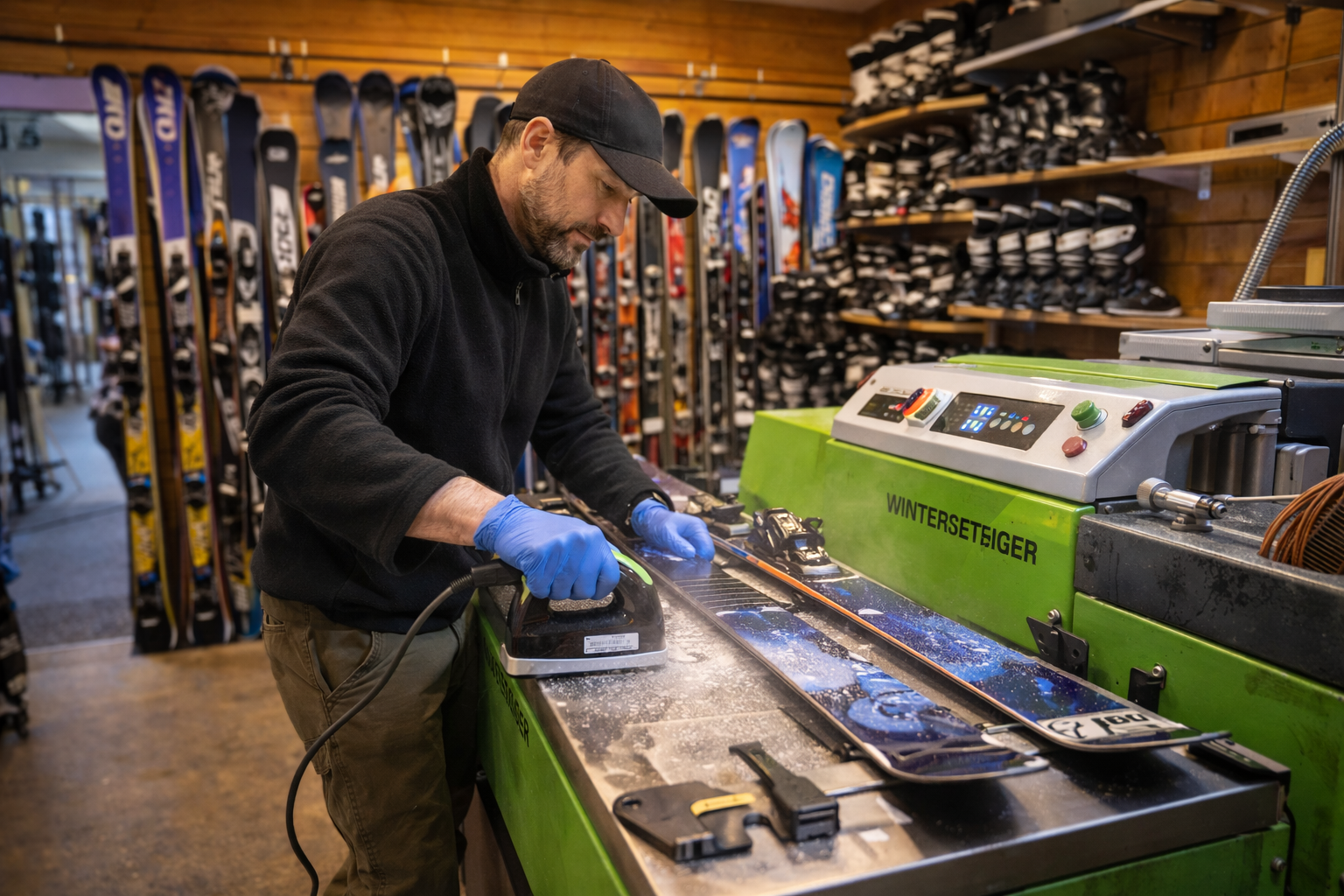
You’ll sometimes hear a shop say their skis are tuned after every rental. That can mean different things depending on the operation. Skis should be checked after each return and serviced as needed, not just put back on the rack.
In a best-practice rental workflow, you should expect:
A quality-focused shop will have clear standards for when a ski gets a quick edge refresh versus a more complete tune. The key is to ensure that renters receive a consistent level of ski rental quality, rather than a random variation based on the previous rentals.
On hardpack, your ability to control speed and direction depends on edge engagement. If you’re renting in Killington, you should care about two things: whether the edges are sharp and whether they’re finished correctly.
If you’ve ever felt like your skis “won’t hold” on a scraped-off section, that’s often an edge issue. Good edge sharpening can turn an anxious run into a controlled one.
Wax does more than make you faster. It reduces friction so the ski doesn’t feel grabby or sluggish, especially in changing temperatures. A base that’s maintained well will feel smooth and consistent—important on Killington’s long runouts (the longer, flatter sections of a ski run) and flatter connectors (the areas that connect different parts of the ski trail) where speed matters.
Base structure also plays a role. While most renters won’t discuss structure in detail, the results are noticeable: the ski feels less “stuck” in wetter snow and more free-running when conditions change.
You don’t need specialized tools to get a basic read on tune quality. Before you leave the shop or at the car, do a few simple checks.
With light pressure, run a fingernail across the edge at a shallow angle (not along the edge). A tuned edge should feel crisp and consistent. If it feels rounded everywhere, you’re unlikely to have a strong grip on firm snow.
Look down the edge under good light. Nicks and shiny flat spots can indicate impacts. A few small marks are normal, but big dings or sections that look chewed up can affect control.
The base should look even in color and not “greyed out” and chalky. A white, dry look often suggests the ski needs wax. Deep scratches, particularly those that penetrate the core, are a cause for concern.
If you want clarity on ski tuning to Killington standards without getting a technical lecture, ask, "How often are these skis waxed, and how are the edges maintained?” A shop with a real process can answer clearly.
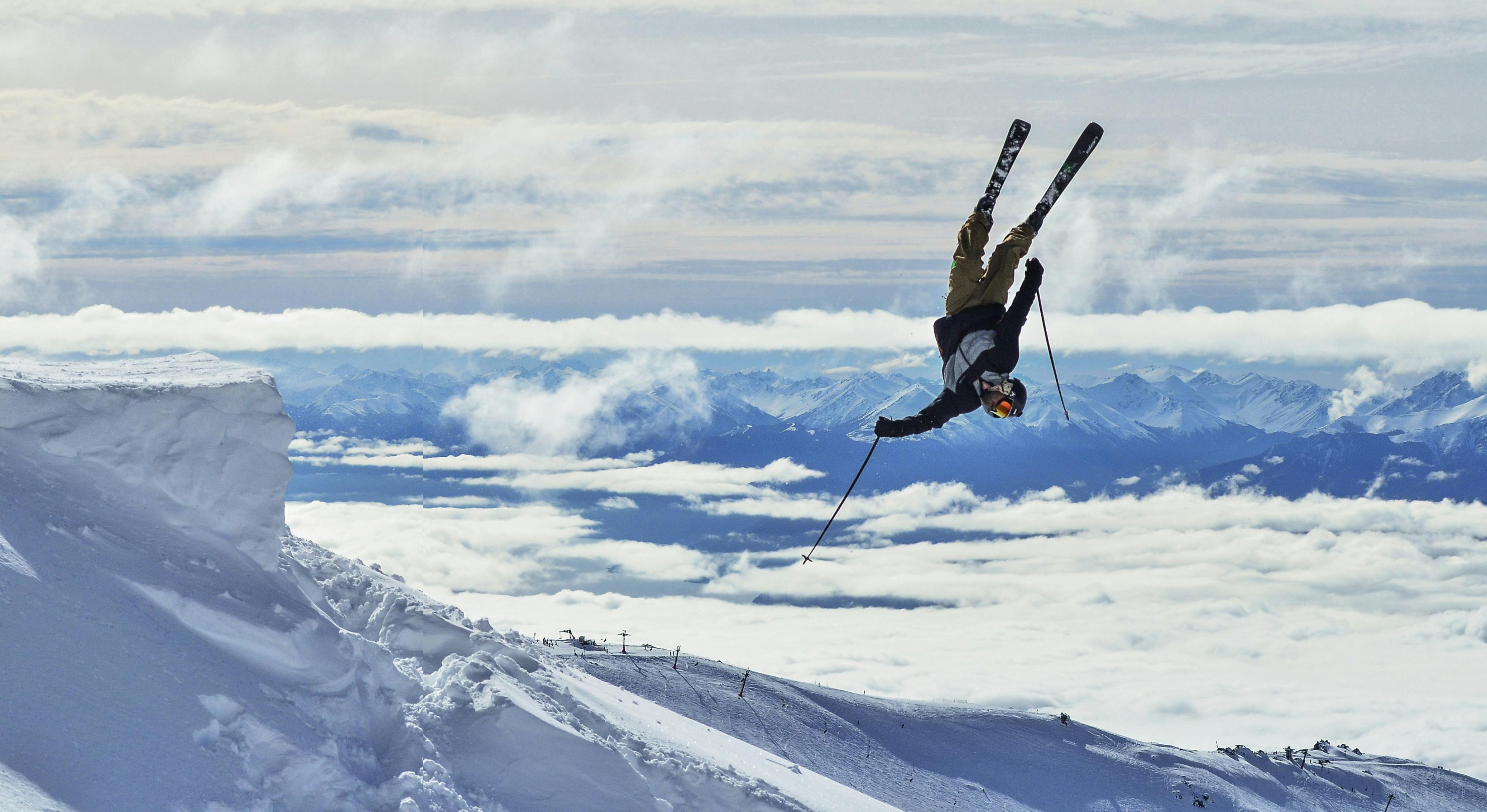
Not every renter needs the same level of tuning, but everyone benefits from competent maintenance. Here’s a practical way to think about what you should prioritize.
When you’re paying for premium gear, you’re paying for more than a nicer model year. The value is in the full package: appropriate sizing, correct binding setup, and freshly tuned skis that let you ski to your ability. If any of those pieces are missing, the “premium” part is mostly marketing.
Speed is the least important reason to care about a tune. The real benefits are control and predictability, especially in crowded resort environments.
On a busy Killington weekend, that predictability matters. It’s easier to avoid problems when your skis do what you expect.
Since the search intent here is practical, choosing where to rent, focus on signs that the shop treats tuning as part of product quality, not an afterthought.
If you want to see what a service menu looks like from a shop that treats tuning as a core competency, Peak Performance lists its Tuning/Wax Services, including more advanced options like Race Base Structures. Even if you’re renting, understanding these services helps you evaluate what “maintained” can mean in practice.
In a race-focused service environment, tuning is not a sporadic task; it is an integral part of the product. The goal for rentals is simple: deliver skis that feel confident on day one and stay consistent across the fleet. That means regular waxing, edge work when needed, and a process for inspecting skis as they come back.
If you're considering rental options in Killington and prioritize performance, inquire about the frequency of tuning, edge standards, and the handling of issues between renters. You can also check out Peak Performance's rental options here: Ski Rentals.
No. High-quality fleets can be maintained extremely well. The difference comes down to process and volume: how often skis are inspected, how quickly damage is addressed, and whether tuning is treated as essential to ski rental quality.
Often, yes. if the upgrade includes better maintenance and more consistent tuning. Many skiers benefit from easier turn initiation, better grip, and smoother glide even at moderate speeds. The key is confirming you’re getting a meaningful difference in rental ski maintenance, not just a different model name.
There isn’t one universal number, because it depends on conditions and usage. In abrasive snow and high mileage, wax wears quickly. A shop with strong maintenance standards will wax on a regular schedule and refresh skis that come back dry.
For most renters, it’s sharp edges. Killington’s firm snow and scraped-off sections reward a ski that can hold. Wax and base prep matter too, but edge grip is usually the most noticeable change.
When you’re renting, you’re trusting the shop to deliver equipment that works. In Killington’s fast-changing surfaces, the best way to protect your time and money is to prioritize rental ski tuning. Well-maintained skis with proper edge sharpening and fresh wax will grip when the snow is firm, glide when the flats get long, and feel consistent when conditions change.
If you want a deeper understanding of what goes into proper ski tuning terminology, steps, and what different services do, Peak Performance has a helpful resource: The Complete Ski Tuning Guide. And if you’re comparing rental packages, this overview can help you evaluate what you’re actually getting: What’s Included in a Ski Rental Package.
Comments
Be the first to comment...